Selecting Reliable Construction Firms Solid
Learn How a General Contractor (GC) Can Boost Efficiency and Success in Your Building Projects
A GC is crucial in the construction industry. This expertise streamlines project management, leading to enhanced efficiency and positive results. By managing communication among involved parties and using their connections with subcontractors, they manage the complexities of building endeavors. Understanding local building codes also reduces potential legal problems. This brings up a key point: how do these factors combine to transform the construction process?
The Role of a Commercial Builder
A general contractor manages the intricate operation of building projects, making sure all parts runs efficiently from inception to completion. They serve as the main point of contact, managing communication among various stakeholders, including owners, subcontractors, and vendors. This role involves meticulous planning, scheduling, and budgeting to adhere to project schedules and cost restrictions.
The contractor manages all building work, guaranteeing adherence with building codes, safety regulations, and quality requirements. They are responsible for obtaining necessary permits and managing any legal requirements related to the project. Furthermore, they supervise the labor force, giving jobs to tradesmen while tracking productivity and productivity.
In addition to supervising site activities, the contractor addresses any issues or delays that arise, modifying plans as necessary to ensure timely completion. This comprehensive management is crucial for reducing risks and guaranteeing the successful outcome of commercial construction projects.
Benefits of Employing a GC
Hiring a general contractor provides many benefits that can greatly enhance the efficiency and success of a construction job. One key benefit is their expertise in managing complex projects, facilitating easier communication among various parties involved. This unified approach minimizes misunderstandings and mitigates potential delays.
Furthermore, general contractors maintain strong ties with subcontractors and suppliers, ensuring timely access to quality materials and skilled labor. This approach may bring about cost savings and more efficient timelines.
Contractors provide a wealth of knowledge about local codes and regulations, which helps avoid regulatory problems and costly fines.
Moreover, hiring a general contractor lets clients prioritize their central operations, rather than getting bogged down in routine management duties. Overall, utilizing a GC often yields a more organized, efficient, and successful construction endeavor, which ultimately results in a higher return on investment.
Core Duties in Managing Projects
Good project oversight relies on a number of core duties that a general contractor needs to maintain throughout the construction process. A primary aspect of practical tips this job is the establishment of a clear project scope, which outlines the objectives, schedules, and cost restrictions. The contractor collaborates with various stakeholders, including architects, subs, and material providers, ensuring smooth communication and teamwork.
Moreover, they manage resource distribution, controlling manpower and supplies to optimize efficiency. Risk assessment is also a vital duty, as the contractor has to spot potential problems and develop plans to lessen their impact. Consistent tracking of progress is vital; the contractor assesses finished work relative to key stages, making necessary changes to maintain the timeline.
Moreover, a general contractor ensures adherence to building laws and safety guidelines, creating a safe workplace. Via these tasks, they keep a detailed strategy in project oversight, leading to total success for construction efforts.
Methods GCs Use for Timely Project Delivery
Even though timeline issues often arise in building, general contractors use careful planning and forward-thinking oversight to secure on-time delivery. They start by creating comprehensive schedules that outline each phase of the project, covering major goals and completion dates. By breaking the project into smaller tasks, they manage resource distribution well and foresee possible setbacks.
Consistent tracking of work is a further crucial step; general contractors assess project status relative to the original plan, making modifications as required. They also engage in risk management, spotting possible problems soon and creating backup strategies to reduce setbacks.
In addition, general contractors keep solid connections with suppliers and specialized workers, ensuring that materials and labor are available when required. This anticipatory strategy encourages responsibility among all stakeholders, helping create a smoother operation. As a result, these tactics bring about greater effectiveness, decreasing the possibility of schedule delays and making sure that jobs are delivered punctually.
Improving Communication and Cooperation on Location
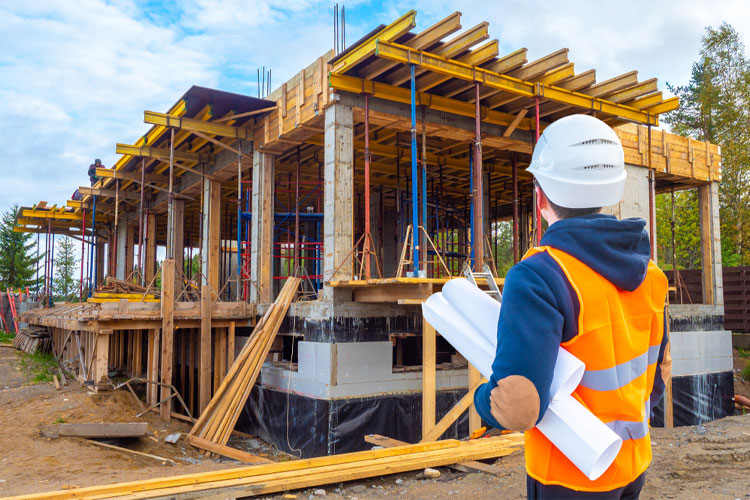
To enhance communication and collaboration on construction sites, general contractors implement formalized methods that streamline communication between every member of the team. These methods usually comprise regular meetings, defined ways to report problems, and the application of technology that provide live information. By creating a structure for discussion, contractors guarantee that all stakeholders—architects, subcontractors, and workers—are united regarding project goals and timelines.
Furthermore, promoting openness allows issues to be resolved quickly, minimizing the chance of misunderstandings that could result in postponements. GPs also welcome input from employees at every level, understanding that knowledge from jobsite staff can significantly boost job productivity. By prioritizing communication and collaboration, general contractors not only streamline operations but also improve staff spirit, in the end leading to the success of construction efforts. The result is a more unified operational setting where challenges are met with collaborative resolution.
Frequently Asked Questions
Which Credentials Should I Seek in a Building Contractor?
When looking for a GC, one should look for attributes such as proper licensing, insurance, a history in similar jobs, excellent recommendations, and good communication abilities. Such considerations are key to smooth project delivery and complete client happiness.
How Do General Contractors Handle Project Budgeting?

General contractors oversee project costs by calculating expenses, obtaining quotes from subs, tracking expenses throughout the project, and adjusting budgets as necessary. Hickory top rated Commercial General Contractor. They make certain that money align with project requirements, optimizing effectiveness and lessening fiscal dangers
Is a GC Able to Help With Permits and Regulations?
Absolutely, a GC is able to help with permits and regulations by navigating the complicated rules, guaranteeing adherence to local regulations, and facilitating the application process, thereby accelerating the project and minimizing potential delays for clients.
What Is the Typical Timeline for Retaining a Building Contractor?

The standard timeframe for hiring a general contractor spans a few weeks to several months, contingent upon the project's intricacy, the availability of the contractor, and the client's decision process, which ensures proper planning and that goals are aligned with construction. - Hickory top rated Commercial General Contractor
- Hickory top rated Commercial General Contractor
How Can General Contractors Effectively Manage Subcontractors?
Effective management of subcontractors by general contractors is achieved by establishing clear communication, clearly defining expectations, regularly monitoring progress, and managing the coordination of schedules. They guarantee that all parties understand their roles, thereby fostering collaboration to adhere to the project timeline and meet quality requirements.